Scrap metal broadly falls into two families. Ferrous metals contain iron and are usually magnetic; non-ferrous metals contain no iron, resist corrosion and are typically worth much more per kilo. Understanding the difference — and the grades within each — helps you sort better and get paid better.
Ferrous scrap
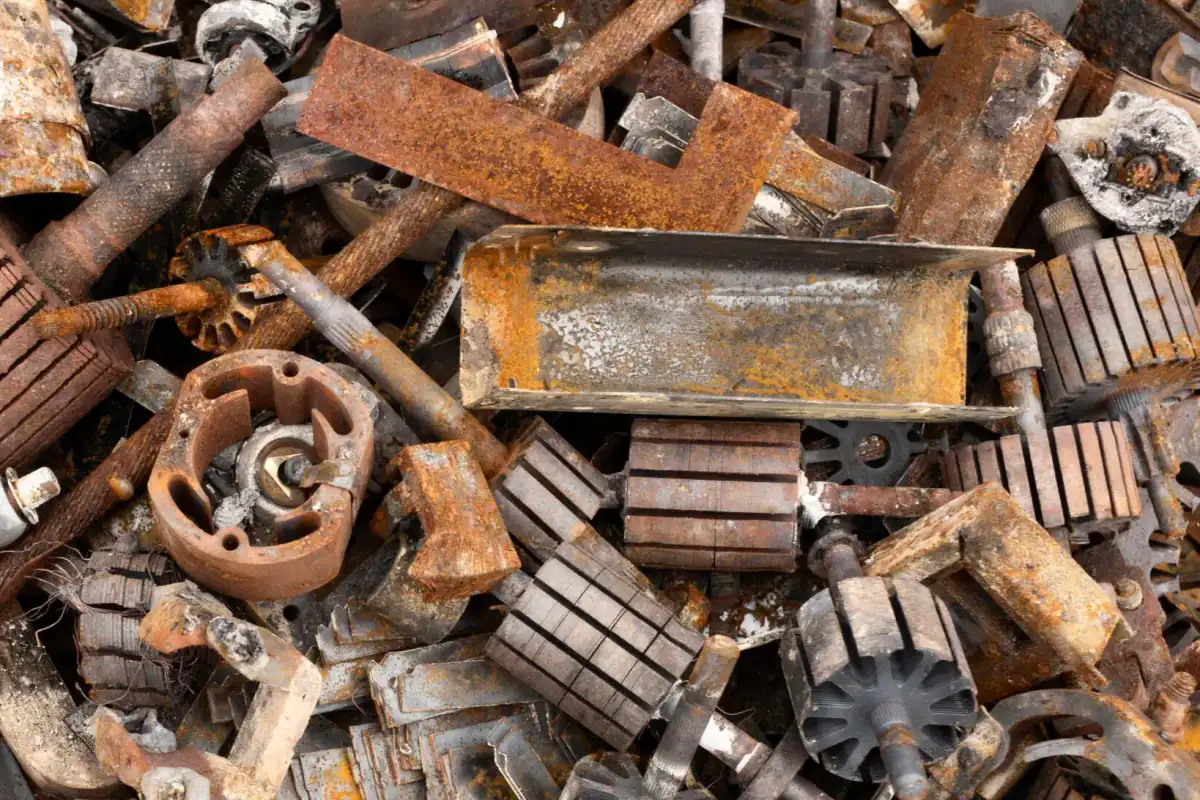
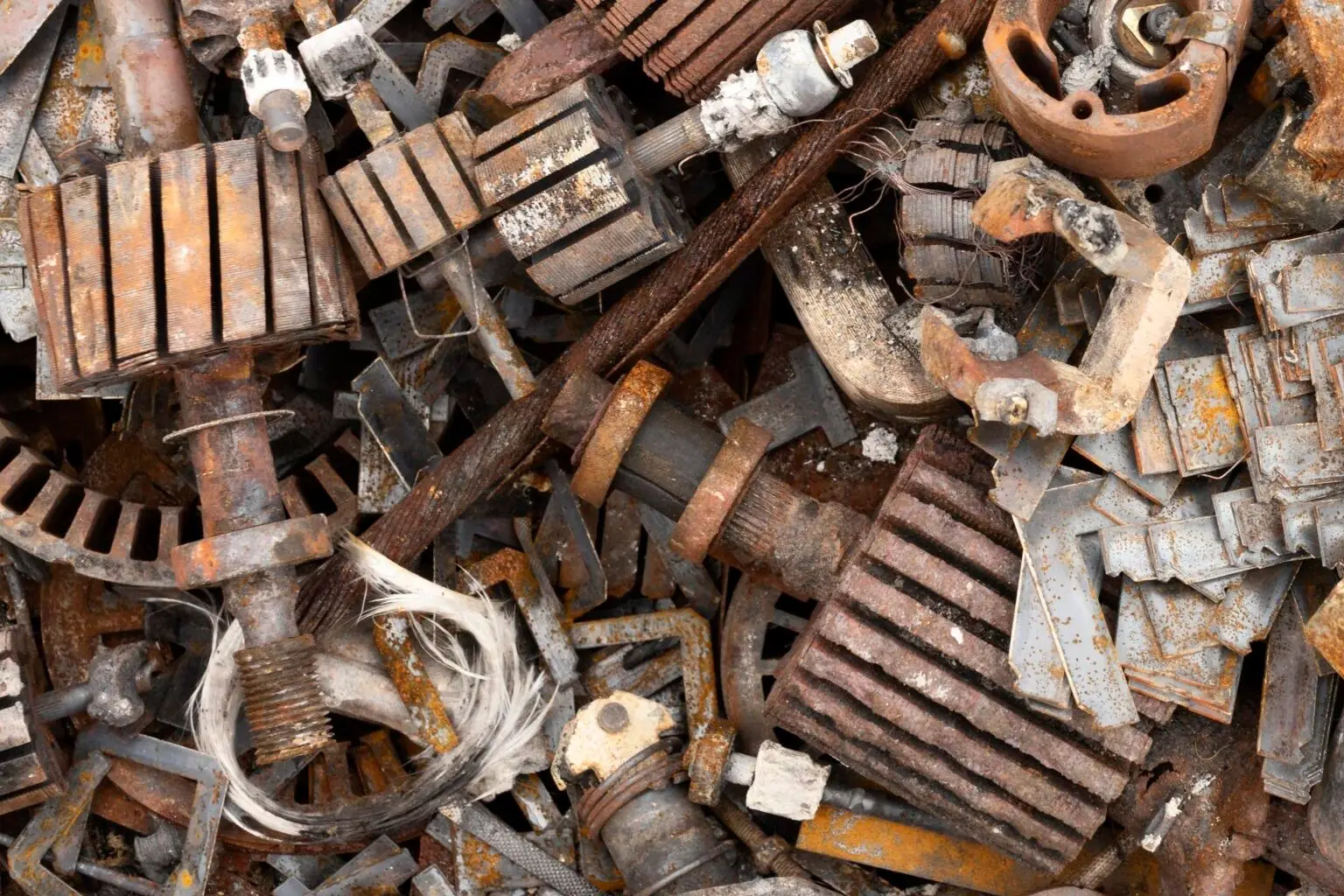
Ferrous scrap is the backbone of steel re-rolling mills, induction furnaces and foundries. Common grades include:
Heavy Melting Scrap (HMS 1 & HMS 2) — thick steel pieces such as plates, beams and structural sections; HMS 1 is generally heavier and cleaner than HMS 2.
MS scrap (mild steel) — plates, angles, channels and beams.
Cast iron — engine blocks, pipes and machine bodies; brittle and high in carbon.
Turnings & borings — shavings from lathes and machine shops; light and bulky, so usually priced lower.
Stainless steel — alloyed with chromium and nickel, which is why it commands a premium over ordinary steel.
Railway scrap — condemned rails, fish plates and bolts; typically high-grade steel.
Non-ferrous scrap
Non-ferrous metals are prized by refineries, cable makers and die-casting units:
Copper — wire, pipes, motor windings and transformers; the cleaner the copper, the higher the price.
Brass — fittings, valves and turnings; yellow brass and red brass are priced separately.
Aluminium — castings, extrusions, sheets and utensils; sheet and extrusion grades are usually worth more than mixed cast aluminium.
Zinc — die-cast parts and galvanised material.
Lead — battery plates and cable sheathing.
What moves the price?
Purity and contamination — attached plastic, rubber, oil, iron or dirt all reduce value.
Grade and form — solid, heavy pieces generally fetch more than light, mixed or oxidised material.
Quantity — larger, consistent lots attract better rates.
Market conditions — non-ferrous prices track global metal markets closely, while ferrous prices follow steel demand.
Location and logistics — distance, loading and transport costs matter.
Sort before you sell
Segregating metals by type and grade is the easiest way to increase the value of your scrap. A magnet is the quickest first test: if it sticks, the metal is ferrous — though note that some stainless steels are only weakly magnetic.
Check our live rates board for today's indicative prices, or contact us for an exact quote on your material.